Complete Guide to Rooflights
Upgrade Your Attic: How Rooflights Can Add Value and Light
Transforming an attic with rooflights offers an opportunity to boost both light and space. The addition of these features not only lightens the environment but also adds substantial value to a property. As natural light enhances mood and energy efficiency, it becomes clear that rooflights can revitalize underutilized areas. Yet, the decision of rooflight and design can be crucial. What elements should one take into account when initiating this project?
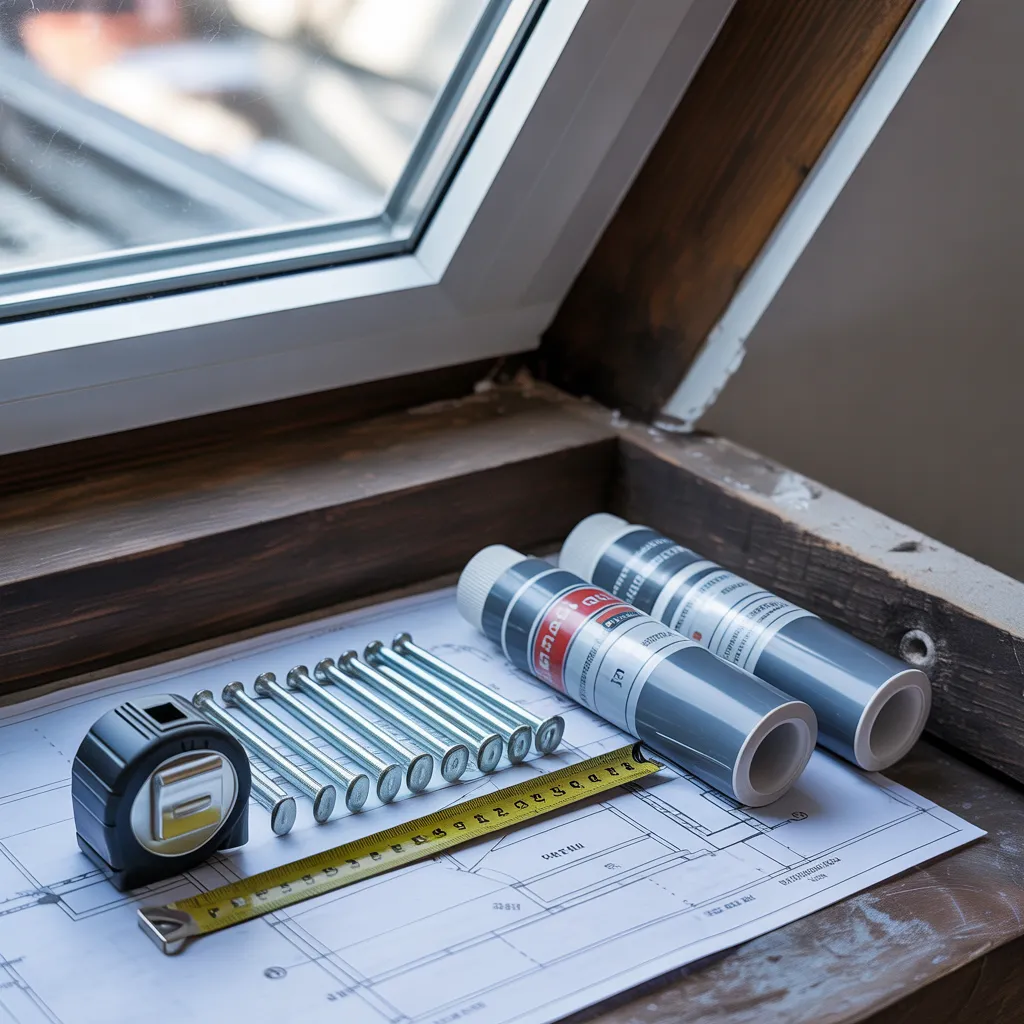
The Reasons to Select Rooflights for Your Attic Transformation
Why choose rooflights for an attic transformation? Rooflights play a central role in transforming a neglected attic space into a bright, practical living area. They greatly enhance natural light, creating an open, airy atmosphere that can dramatically improve the overall aesthetic and ambiance. This abundance of natural light not only boosts morale but also aids in decreasing dependence on artificial lighting, supporting energy savings.
In addition, rooflights can enhance a building's value. Potential buyers often seek homes with naturally illuminated spaces, making an attic conversion highly desirable. The well-planned placement of rooflights can also offer stunning views of the sky, adding a special charm to the attic.
Moreover, rooflights support ventilation, boosting air circulation and maintaining a comfortable environment. In summary, adding rooflights into an attic makeover is a wise choice that unites visual appeal, eco-friendly performance, and greater property worth.
Different Kinds of Rooflights: Choosing the Right One?
Choosing the right type of rooflight can greatly affect the overall result of an attic transformation. Numerous options are accessible, each featuring distinct benefits. Fixed rooflights are well-regarded for their simplicity and effectiveness in lighting up spaces, while opening rooflights deliver ventilation in addition to natural light, boosting air quality. For those desiring a modern aesthetic, skylights come in numerous designs and materials, enabling customization to complement the attic's aesthetic.
Dome-style rooflights, frequently found on flat roofs, are effective for maximizing the amount of light received and can be configured in various arrangements. Additionally, tube rooflights are well-suited to tight spaces, channeling natural light through reflective tubes. When selecting a rooflight, factors including the size, direction, and attic configuration are essential. Ultimately, the correct selection not only improves the space's brightness but also adds to its overall functionality and appeal.
How Natural Light Impacts Well-Being
Natural light serves a crucial role in improving overall well-being. Exposure to natural light has been linked to better mood and higher energy levels. Research indicates that natural light can profoundly influence mental health, diminishing symptoms of anxiety and depression. By saturating spaces with sunlight, individuals often notice an increase in serotonin production, which promotes feelings of happiness and tranquility.
Furthermore, natural light supports the regulation of sleep-wake cycles, promoting healthier sleep cycles. This physiological harmony nurtures a feeling of balance and rejuvenation, which is critical for overall health. In rooms such as attics, installing rooflights can enhance sunlight penetration, creating a more inviting and soothing environment. The cognitive benefits of natural light reach further than basic aesthetics, influencing productivity and creativity as well. Thus, enhancing living spaces with rooflights can positively influence one's emotional and physical well-being.
How Rooflights Boost Your Property Value
Installing rooflights in an attic transforms the space into a bright, airy retreat that can significantly boost property value. By letting natural light stream through, rooflights improve the general attractiveness of a property, making it more attractive to potential buyers. This feature not only creates a more inviting atmosphere but also highlights the practical space that an attic can offer.
Property buyers often seek properties with unique features that differentiate themselves from the competition. Roof windows can function as a key design element, highlighting the property's architectural style and increasing aesthetic value. Moreover, well-lit spaces tend to feel larger, thereby enhancing the perceived square footage of the property.
Additionally, energy efficiency can be improved through the integration of contemporary rooflight solutions, which are likely to interest eco-friendly homeowners. In the end, the addition of rooflight systems reimagines an underutilized area into an attractive habitable area, contributing positively to the property's commercial appeal and long-term value.
Inspiring Design Options for Your Attic Room
When exploring creative design ideas for an attic space, creative lighting choices can significantly improve the atmosphere. Additionally, converting the space into versatile areas provides enhanced versatility, accommodating various activities. A cozy reading nook can serve as an ideal escape, merging practicality with aesthetics.
Unique Lighting Solutions
In what ways can creative lighting convert an attic into an inviting sanctuary? Through incorporating distinctive lighting options, residents can substantially elevate the mood and practicality of their attic environments. Carefully positioning LED strip lights along beams or shelving can produce a gentle, welcoming illumination, while pendant lights can serve as striking focal points. Skylights not only provide natural light but also make spaces feel larger and more open. Incorporating dimmable fixtures allows for versatile lighting, permitting residents to tailor the ambiance to suit different times or settings. Furthermore, incorporating ornamental lamps or wall-mounted sconces can introduce character, making the attic a cozy refuge. In the end, deliberate lighting planning enhances both the visual charm and functionality of the attic.
Flexible Living Spaces
Forward-thinking illumination solutions do more than enhance the atmosphere of an attic and simultaneously create opportunities for creative design opportunities. Through the use of quality rooflights, attics are able to become multipurpose environments that address a wide range of needs. As an example, a well-lit, spacious atmosphere can serve as a private office throughout the working day, while warm, flexible lighting can craft a welcoming social space during evening hours. Including flexible furniture pieces makes possible simple reorganization, catering to everything from relaxation activities to group entertainment. By merging purpose with beauty, a skillfully designed loft space can enhance practicality without diminishing aesthetic value. Consequently, the potential for reinvention are boundless with the right inspiration, rendering attics indispensable elements of today's homes.
Inviting Reading Retreats
Establishing a snug reading space in an attic can turn an unused space into a peaceful retreat, designed for disconnecting from the demands of everyday life. Carefully installed rooflights can bathe the space in natural light, elevating its warm atmosphere. Equipping the nook with a comfortable armchair or daybed, plush pillows, and a soft blanket establishes an ideal spot for unwinding. Incorporating bookshelves, be they fitted or portable, allows for easy access to a curated selection of reading materials. Adding individual elements, such as wall art or ambient lighting, further enhances the space's appeal. This thoughtful design not only enhances the room's value but also raises the home's total value, making it a worthwhile addition.
Top Installation Tips for a Successful Rooflight Project
When planning a rooflight fitting, selecting the ideal location is vital for optimizing natural light and improving the room's ambiance. Engaging qualified professionals ensures that the project is executed safely and effectively. Furthermore, effective insulation is necessary to sustain energy efficiency and a comfortable environment in the renovated attic area.
Pick The Perfect Location
Identifying the ideal position for a rooflight is important to optimising both daylight and visual appeal in an attic conversion. For best results, rooflights should be situated to harness the most natural light throughout the day, typically on the southerly-facing side of the roof. This location not only improves light levels but also decreases dependence on artificial lighting. Moreover, taking into account the existing roof structure and nearby obstructions, such as chimneys or trees, is crucial. content Rooflights should be installed in areas that match the intended use of the space, whether for a home office. This considered positioning provides a balance between practicality and visual appeal, ultimately transforming the overall environment of the attic.
Employ Skilled Experts
Working with qualified specialists is important for a smooth rooflight installation. Their skill guarantees that the project complies with local building regulations and safety guidelines. Qualified technicians can thoroughly assess the structural soundness of the roof, identifying potential issues that may occur during installation. They have the necessary tools and practices to limit disruption to the surrounding space while producing a seamless finish. In addition, seasoned professionals can provide valuable advice into ideal placements and design alternatives, enhancing both aesthetics and functionality. It is recommended to gather recommendations and evaluate previous work to confirm the selected crew has a established track record. Overall, hiring qualified professionals not only preserves the installation workflow but also adds significantly to the rooflight's lasting performance and durability.
Secure Effective Insulation
Proper insulation is crucial for enhancing energy efficiency in a rooflight installation. It minimizes heat loss during colder months and reduces heat gain in warmer seasons. Homeowners should first assess the existing insulation in the attic, making sure it aligns with the suggested R-values for their area. Transitioning to superior insulation materials can substantially boost effectiveness. Throughout the installation process, attention should be paid to closing any gaps or leaks surrounding the rooflight, as these can compromise insulation effectiveness. Additionally, considering reflective insulation materials can help in managing temperature variations. Adequate ventilation must not be neglected, as it supports the upkeep of a stable indoor climate. By focusing on insulation, homeowners can benefit from a pleasant living area while enhancing the value their rooflight provides.

Commonly Asked Questions
What Are the Energy-Saving Benefits of Rooflights?
Skylights boost energy savings by optimizing daylight, decreasing dependence on artificial lighting. They improve ventilation, aiding in managing temperature, and can contribute to decreased energy bills, encouraging eco-friendly living while enhancing overall comfort.
Do Rooflights Require Special Maintenance?
Rooflights typically demand very little maintenance, commonly necessitating periodic cleaning and leak assessments. Ensuring proper sealing and addressing any issues promptly helps to extend their lifespan and effectiveness, supporting energy efficiency and visual appeal.
Are Rooflights Able to Help Lower Heating Costs?
Rooflights can certainly assist in lowering heating costs by enabling natural sunlight to warm rooms during daylight hours. This increased sunlight can decrease reliance on artificial heating, contributing to significant energy savings over an extended period.
Are Rooflights Compatible with Every Type of Roof?
Rooflights are not appropriate for every type of roof. Their suitability is determined by factors including roof pitch, material composition, and structural integrity, necessitating thorough evaluation and expert assessment to ensure optimal installation and performance.
What Building Regulations Govern the Installation of Rooflights?
Construction standards for installing rooflights generally encompass considerations for structural integrity, fire safety, and energy efficiency. Planning departments may require formal planning consent, confirming conformity with standards that protect the building and those who occupy it.